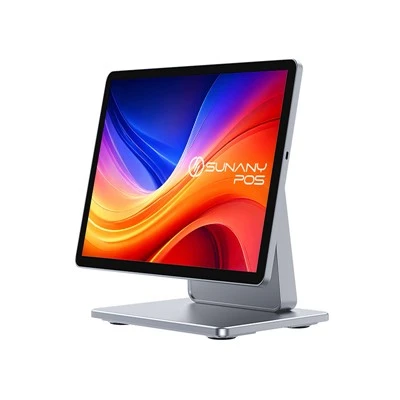
In the dynamic landscape of modern business, self-service terminals have emerged as a revolutionary tool, transforming the way customers interact with businesses. As a supplier of self-service terminals, I have witnessed firsthand the profound impact these devices can have on a business’s operations, customer experience, and bottom line. This blog aims to explore whether self-service terminals are suitable for small businesses, shedding light on their advantages, potential challenges, and real-world applications. Self-service Terminal
The Rise of Self-Service Terminals
Self-service terminals have become increasingly prevalent across various industries, from retail and hospitality to healthcare and transportation. The proliferation of these devices can be attributed to several factors, including technological advancements, changing consumer preferences, and the need for businesses to streamline operations and reduce costs.
Advancements in touchscreen technology, software development, and payment processing have made self-service terminals more user-friendly, reliable, and secure. Consumers are also becoming more comfortable with self-service options, preferring the convenience and efficiency of completing transactions on their own terms. Additionally, businesses are looking for ways to optimize their resources, improve customer service, and gain a competitive edge in the market.
Advantages of Self-Service Terminals for Small Businesses
Enhanced Customer Experience
One of the primary benefits of self-service terminals for small businesses is the ability to provide a more convenient and personalized customer experience. Customers can use self-service terminals to browse products, place orders, make payments, and access information at their own pace, without having to wait in line or interact with a sales associate. This not only saves time but also empowers customers to take control of their shopping experience, leading to higher levels of satisfaction and loyalty.
Increased Efficiency and Productivity
Self-service terminals can help small businesses streamline their operations and improve efficiency by automating repetitive tasks and reducing the need for manual intervention. For example, in a retail setting, customers can use self-checkout terminals to scan and pay for their items, freeing up staff to focus on other tasks, such as assisting customers, restocking shelves, and providing personalized service. This can lead to shorter wait times, increased throughput, and improved overall productivity.
Cost Savings
Another significant advantage of self-service terminals for small businesses is the potential for cost savings. By reducing the need for additional staff, businesses can lower labor costs and increase profitability. Self-service terminals also require less physical space than traditional cash registers or service counters, allowing businesses to optimize their use of space and potentially reduce rent or lease expenses. Additionally, self-service terminals can help businesses reduce the risk of theft and fraud by providing a secure and automated payment processing system.
Data Collection and Analytics
Self-service terminals can provide valuable insights into customer behavior and preferences, allowing small businesses to make more informed decisions about their products, services, and marketing strategies. By collecting data on customer transactions, browsing habits, and demographics, businesses can identify trends, target specific customer segments, and personalize their offerings to meet the needs of their customers. This can help businesses improve customer satisfaction, increase sales, and gain a competitive edge in the market.
Potential Challenges of Self-Service Terminals for Small Businesses
Initial Investment
One of the main challenges of implementing self-service terminals for small businesses is the initial investment required. Self-service terminals can be expensive to purchase, install, and maintain, and businesses may also need to invest in additional software, hardware, and training to ensure that the terminals are operating effectively. However, many self-service terminal suppliers offer financing options and leasing programs to help businesses manage the upfront costs and make the investment more affordable.
Technical Issues
Self-service terminals rely on technology to function, and technical issues can arise from time to time. These issues can include software bugs, hardware malfunctions, connectivity problems, and security breaches. Small businesses may not have the in-house technical expertise or resources to address these issues quickly and effectively, which can lead to downtime, lost sales, and frustrated customers. To mitigate these risks, businesses should choose a reliable self-service terminal supplier that offers comprehensive technical support and maintenance services.
Customer Resistance
While many consumers are comfortable using self-service technology, some may be resistant to the idea of replacing human interaction with machines. This resistance can be due to a variety of factors, including familiarity, trust, and the perceived lack of personalized service. Small businesses may need to invest in marketing and education campaigns to promote the benefits of self-service terminals and encourage customers to use them. Additionally, businesses should ensure that their self-service terminals are easy to use, intuitive, and provide a seamless customer experience.
Real-World Applications of Self-Service Terminals for Small Businesses
Retail
Self-service terminals are widely used in the retail industry to provide customers with a convenient and efficient way to shop. In a grocery store, for example, customers can use self-checkout terminals to scan and pay for their items, reducing wait times and improving the overall shopping experience. In a clothing store, customers can use self-service kiosks to browse products, check inventory availability, and place orders for in-store pickup or home delivery.
Hospitality
Self-service terminals are also becoming increasingly popular in the hospitality industry, particularly in hotels and restaurants. In a hotel, guests can use self-service check-in kiosks to check in quickly and easily, without having to wait in line at the front desk. In a restaurant, customers can use self-ordering terminals to browse the menu, place their orders, and pay for their meals, allowing staff to focus on providing personalized service and enhancing the dining experience.
Healthcare
Self-service terminals are being used in the healthcare industry to improve patient access to information and services. In a doctor’s office, patients can use self-service kiosks to check in, update their personal information, and access their medical records. In a pharmacy, customers can use self-service terminals to refill prescriptions, check medication availability, and pay for their medications.
Conclusion
In conclusion, self-service terminals can offer significant benefits for small businesses, including enhanced customer experience, increased efficiency and productivity, cost savings, and valuable data collection and analytics. However, businesses should also be aware of the potential challenges associated with implementing self-service terminals, such as the initial investment, technical issues, and customer resistance. By carefully considering these factors and choosing a reliable self-service terminal supplier, small businesses can successfully integrate self-service technology into their operations and gain a competitive edge in the market.
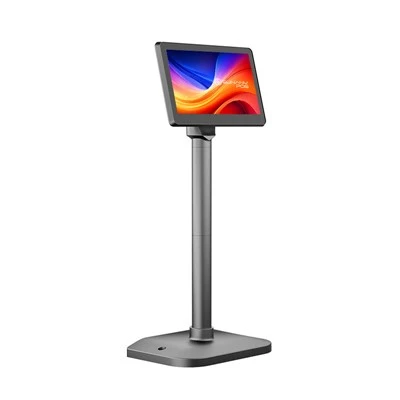
Pole Customer Display If you are a small business owner interested in exploring the benefits of self-service terminals for your business, I encourage you to contact me to schedule a consultation. I would be happy to discuss your specific needs and provide you with a customized solution that meets your budget and requirements.
References
- Bitner, M. J., Ostrom, A. L., & Morgan, F. N. (2008). Service blueprinting: A practical technique for service innovation. California Management Review, 50(3), 66-94.
- Meuter, M. L., Ostrom, A. L., Roundtree, R. I., & Bitner, M. J. (2000). Self-service technologies: Understanding customer satisfaction with technology-based service encounters. Journal of Marketing, 64(3), 50-64.
- Parasuraman, A., Zeithaml, V. A., & Berry, L. L. (1985). Problems and strategies in services marketing. Journal of Marketing, 49(2), 33-46.
Shenzhen Sunany Technology Limited
Shenzhen Sunany Technology Limited is one of the most professional self-service terminal manufacturers and suppliers in China, featured by quality products and good price. Welcome to wholesale bulk advanced self-service terminal made in China here and get pricelist from our factory. Contact us for customized service and OEM service.
Address: 7F, Building 2, Pingji Avenue No.13, Longgang, Shenzhen, China.
E-mail: info@sunany.com
WebSite: https://www.sunanypos.com/
