As a seasoned supplier of Silicon Metal, I’ve witnessed firsthand the pivotal role that proper storage conditions play in maintaining the quality of this valuable commodity. Silicon metal, with its wide range of applications in the aluminum, chemical, and electronics industries, demands strict adherence to specific storage requirements to preserve its integrity and performance. In this blog post, I’ll delve into the crucial storage conditions that ensure the high – quality of silicon metal, drawing from my years of experience in the industry. Silicon Metal
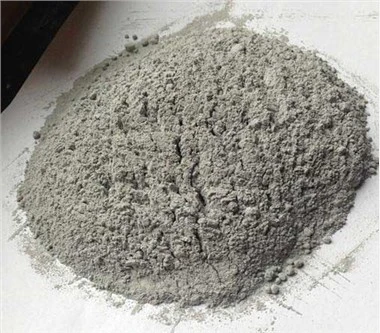
1. Temperature Control
Temperature is one of the most significant factors influencing the quality of silicon metal. Silicon metal is sensitive to extreme temperature fluctuations, which can lead to physical and chemical changes that degrade its performance.
Ideal Temperature Range
The ideal storage temperature for silicon metal is between 10°C and 30°C. This moderate temperature range helps to maintain the structural stability of the silicon metal. At lower temperatures, the metal can become more brittle, increasing the risk of cracking and breaking during handling. On the other hand, high temperatures can accelerate oxidation processes. When silicon metal is exposed to high heat, it reacts more readily with oxygen in the air, forming silicon dioxide on the surface. This oxidation layer not only reduces the purity of the silicon metal but also affects its electrical and thermal conductivity, which are critical properties for many applications.
Temperature Monitoring
To ensure that the storage facility maintains the appropriate temperature, it’s essential to use reliable temperature monitoring devices. Thermostats and temperature sensors should be installed at various locations throughout the storage area. These devices can provide real – time temperature readings, allowing warehouse staff to take immediate action if the temperature deviates from the ideal range. For instance, if the temperature rises above 30°C, fans or air – conditioning systems can be activated to cool the environment. Conversely, if the temperature drops below 10°C, heating systems can be used to warm the storage area.
2. Humidity Management
Humidity has a profound impact on the quality of silicon metal. Excessive moisture in the air can cause corrosion and hydrolysis of the silicon metal, leading to a decrease in its purity and performance.
Low – Humidity Environment
Silicon metal should be stored in a low – humidity environment, preferably with a relative humidity of less than 50%. High humidity levels can introduce water vapor to the surface of the silicon metal. Water can react with silicon, especially in the presence of impurities, to form silicic acid and hydrogen gas. This reaction not only consumes the silicon metal but also can create a porous and rough surface, which can have negative implications for subsequent processing steps.
Dehumidification Systems
To achieve and maintain a low – humidity environment, dehumidification systems are indispensable. Desiccant – based dehumidifiers are often used in silicon metal storage facilities. These devices work by adsorbing moisture from the air using a desiccant material, such as silica gel or activated alumina. By continuously circulating and drying the air, dehumidifiers can effectively reduce the relative humidity in the storage area. Additionally, proper ventilation systems should be in place to remove any moist air that may enter the storage facility.
3. Protection from Contamination
Silicon metal must be protected from various contaminants to maintain its high quality. Contamination can occur from dust, dirt, chemicals, and other foreign substances.
Clean Storage Area
The storage area for silicon metal should be kept clean and free of debris. Regular cleaning of the floors, shelves, and storage containers is necessary to prevent the accumulation of dust and dirt. Before storing new batches of silicon metal, the storage containers should be thoroughly inspected and cleaned to ensure they are free of any residues or contaminants.
Isolation from Chemicals
Silicon metal should be stored away from other chemicals, especially those that are reactive or corrosive. For example, strong acids and alkalis can react with silicon metal, causing it to dissolve or form unwanted compounds. It’s important to have separate storage areas for different types of chemicals and silicon metal to prevent any accidental contact.
Packaging
Proper packaging is crucial for protecting silicon metal from contamination. The silicon metal is typically packed in sealed containers, such as steel drums or plastic bags lined with polyethylene. These containers should be tightly sealed to prevent the entry of dust, moisture, and other contaminants. Additionally, the packaging should be labeled clearly with relevant information, such as the grade, quantity, and storage instructions of the silicon metal.
4. Storage Container Integrity
The integrity of the storage containers is vital for maintaining the quality of silicon metal. Any damage to the containers can expose the silicon metal to unfavorable environmental conditions.
Regular Inspections
Storage containers should be inspected regularly for signs of damage, such as cracks, dents, or leaks. Even a small crack in the container can allow moisture and air to enter, leading to oxidation and contamination of the silicon metal. If any damaged containers are discovered, the silicon metal should be transferred to a new, intact container immediately.
Compatibility of Container Materials
The materials used for the storage containers should be compatible with silicon metal. Metals like steel are commonly used for storing silicon metal because they are strong and relatively resistant to corrosion. However, the interior of the steel containers may need to be coated with a protective layer to prevent any potential reaction between the steel and the silicon metal. Plastic containers can also be used, but they should be made of high – quality, chemically resistant plastics to ensure the long – term storage of silicon metal without any adverse effects.
5. Stacking and Handling
Proper stacking and handling of silicon metal storage containers are essential to prevent physical damage to the product.
Stacking Guidelines
When stacking the storage containers, it’s important to follow the recommended stacking height and pattern. Over – stacking can put excessive pressure on the lower containers, causing them to deform or break. The stacking pattern should be stable to prevent the containers from toppling over. Additionally, there should be sufficient space between the stacks to allow for easy access and ventilation.
Gentle Handling
During the loading, unloading, and transportation processes, the silicon metal containers should be handled gently. Rough handling can cause the silicon metal to break or chip, which can affect its quality and value. Forklifts and other handling equipment should be operated carefully to avoid any collisions or impacts with the containers.
Conclusion
Maintaining the quality of silicon metal through proper storage conditions is a multi – faceted task that requires attention to detail and strict adherence to best practices. By controlling temperature, managing humidity, protecting from contamination, ensuring container integrity, and implementing proper stacking and handling procedures, we can guarantee that our silicon metal products meet the highest quality standards.

If you are in the market for high – quality silicon metal, we are here to serve you. Our company is committed to providing top – notch silicon metal products that are stored under optimal conditions to ensure their performance and reliability. Whether you are in the aluminum smelting, chemical manufacturing, or electronics industries, our silicon metal can meet your specific requirements. We invite you to contact us for more information and to discuss your procurement needs. We look forward to the opportunity to work with you and build a long – term partnership.
Silicon Carbide References
- "Silicon Metal: Properties, Production and Applications" – A comprehensive industry report on silicon metal.
- "Handbook of Metal Storage Conditions" – A guidebook that provides in – depth knowledge on the storage requirements for various metals, including silicon metal.
- "Best Practices in Chemical and Metal Storage" – A collection of industry – recommended practices for storing chemicals and metals safely and effectively.
ZhenAn International Co., Limited
ZhenAn International Co., Limited is one of the leading silicon metal manufacturers and suppliers in China. We warmly welcome you to wholesale discount silicon metal in stock here from our factory. All our products are with high quality and competitive price.
Address: Huafu Commercial Center, Wenfeng District, Anyang City, Henan Province, China
E-mail: info@zaferroalloy.com
WebSite: https://www.ferro-silicon-alloy.com/
