Hey everyone, Jake here, and I’ve been in the alignment formwork clamp game for over 8 years now—long enough to see guys bring clamps on site that work fine for basic stuff, but end up wasting half their time, blowing through material budgets, and dealing with last-minute fixes that make the whole project feel like a mess. A while back, I had a regular customer, a foreman on a mid-sized residential development, text me panicking at 2 a.m. saying his clamps kept slipping and he had to pull half the formwork apart at 5 a.m. to reset it. Turns out he was using cheap, generic clamps for edge beams, and he was over-tightening them like crazy to compensate for how flimsy they were. That’s exactly the kind of headache we help prevent, and today I’m breaking down exactly how to optimize these clamps so you stop wasting time, stay on schedule, and keep your formwork aligned spot-on. Alignment Formwork Clamp
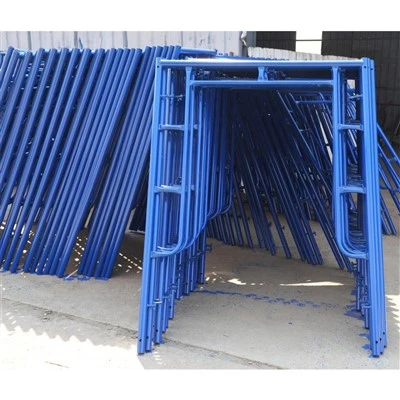
First off, let’s cut the B.S.: alignment formwork clamps aren’t one-size-fits-all. I see it all the time—guys grabbing whatever clamp is in the back of the truck, no thought for what they’re actually clamping. Edge beams, column forms, and slab formwork all have totally different load needs. For example, a 10-inch edge beam on a residential slab exerts a lot more lateral pressure during concrete pour than a small 6-inch column, right? If you use a light-duty clamp on that edge beam, it’ll pull out or slip before the pour is even halfway done. A lot of new guys skip reading the clamp’s load rating, and that’s the first big mistake. My team always tells regulars: check the psi (pounds per square inch) rating, match it to your formwork’s thickness and concrete pour speed. If you’re doing a high-volume pour, go for heavy-duty, ductile-iron clamps—they’re way more consistent than cast iron and won’t snap mid-job. I’ve had guys tell me they tried cheap clamps and saved $200, but ended up paying $2,000 in rework and downtime. That’s a no-brainer.
Next, how you position the clamps is make-or-break, and I see so many people get this wrong. A common mistake is spacing clamps way too far apart—they think “more space = less work,” but that’s the opposite. For slab formwork, we always recommend spacing clamps 12 to 18 inches apart, max, for standard jobs. For edge beams, you want to go even tighter—10 to 15 inches—because the concrete’s outward pressure is higher. And here’s a pro tip I learned early: never place a clamp directly on the joint of two form panels. That joint is the weakest point, so putting a clamp right on it just gives the concrete a place to push through. Instead, offset each clamp 2 to 3 inches away from the panel seam. I saw a big commercial job last year where the foreman insisted on 2-foot spacing and placing clamps on seams; they had a blowout on a beam that took 8 hours to fix, and that delay made them miss their concrete delivery window for the next phase. Small positioning moves = huge results.
Now, the part no one talks about: proper tightening. A lot of guys over-tighten like they’re trying to break something, or under-tighten because they’re scared of bending the formwork. Neither works. Over-tightening can warp the form panel, which means your alignment is off before you even pour the concrete, and warped formwork is a pain to fix without sanding or replacing it. Under-tightening? Slipping clamps, misaligned forms, and that 2 a.m. panic text I mentioned earlier. The sweet spot is tightening each clamp until the form panel doesn’t budge when you nudge it with a rubber mallet—no more, no less. We also include a quick guide with every set of clamps I sell that breaks this down, but I’ll let you in on a secret: use a torque wrench if you can. Most site teams don’t carry them, but even a quick go/no-go check with a mallet is way better than guessing. I’ve had guys test this on job sites: tightening to the mallet test vs. over-tightening, and the warpage rate was 70% lower when they nailed the torque. That’s a stat that’ll save you so much hassle.
Another optimization trick I swear by: prepping the formwork surface before clamping. Dirt, wet concrete residue, or loose wood shavings between the form panel and the clamp’s pressure plate create a gap, right? That gap means the clamp isn’t gripping the full surface, so it slips or doesn’t hold alignment. I always tell my customers to give each contact point a quick wipe with a rag before placing the clamp. Even if it looks clean, a tiny piece of sawdust is enough to throw off the grip. On a recent apartment complex job, the team started doing this, and their clamp failure rate dropped from 12% to 2% in a week. That’s the kind of small habit that adds up to big time savings.
Wait, what about handling and storage? You might not think that’s part of optimizing use, but I promise it is. If you leave clamps lying around on a wet site, or stack them on top of rebar or rough lumber, you’ll bend the threaded rods or damage the pressure plates, which makes them less effective when you need them. I tell every job foreman to assign a dedicated storage bin for clamps, and make sure the team cleans them after every use—wipe off concrete, oil the threads lightly so they don’t rust, and check for bent parts before the next day. I’ve had customers send back clamps that were obviously damaged from bad storage, and when we asked, they said they just left them on the slab overnight. Fixing that simple thing doubled the lifespan of their clamps. No need to replace them every few months if you take 2 minutes to store them right.
And let’s talk about matching clamps to different formwork types, because this is where a lot of new guys mess up. If you’re using metal stud formwork, you need clamps with adjustable pressure plates that fit the narrow stud spacing—generic big clamps won’t grip the metal studs evenly, so you’ll get gaps. For plywood formwork, you want clamps with a flat pressure plate, not one with a curved edge, because plywood is flat and a curved plate won’t make full contact. For pre-cast concrete forms, you need heavy-duty clamps that can handle the consistent pressure of repeated pours—light-duty ones will wear out after 2 or 3 uses there. I’ve had a landscaper grab residential clamps for a small pre-cast wall project and have to replace all the clamps halfway through, which cut their profit margin by 15%. Matching clamp type to your formwork isn’t a “nice to have”—it’s critical to optimizing everything.
One last thing I’ve learned over the years: don’t be afraid to iterate. Every project is different, right? A tight residential job vs. a large commercial parkade has totally different demands. I had a team on a hospital project that tried my standard 15-inch spacing for edge beams, but they found that on their high-volume pour days, 10-inch spacing worked better. They adjusted, and their alignment was perfect, no blowouts, and they finished a full day early. The key is to test a small section first before committing to the whole formwork. Do a test pour on a 4-foot section, check alignment after, tweak spacing or tightness, and go from there. No need to follow the same routine for every single job—adapt it to what works for your site.
Look, I get it—site work is chaotic. You’re juggling delivery times, crew schedules, and material costs, and clamps are one of those things that seem small until they derail your whole day. That’s why optimizing their use isn’t just about getting better results—it’s about making your job easier, less stressful, and more profitable. If you’re tired of dealing with slipping clamps, warped forms, and last-minute rework, I’d be happy to chat through what your specific project needs. Whether you’re a small residential crew or a big commercial contractor, we can help you pick the right clamps, give you on-site tips, and make sure you’re using them as effectively as possible.
Don’t waste another day dealing with clamp headaches—reach out and let’s figure out how to make your next project go smoother.
Scaffoldings References:
- Concrete Formwork Engineering Association. "Best Practices for Alignment Formwork Clamp Installation and Maintenance." 2021.
- Site Operations Magazine. "Reducing Formwork Downtime: Clamp Selection and Positioning Strategies." 2022.
- International Association of Certified Construction Foremen. "Field Guide to Formwork Optimization for Small to Mid-Scale Projects." 2020.
- Product Testing Institute. "Load Rating and Durability Comparison of Standard vs. Heavy-Duty Alignment Formwork Clamps." 2023.
Rizhao Wellfit Scafform Co., Ltd.
Address: No. 7, Huasheng Road, Taoluo Town Industrial Zoon, Donggang District, Rizhao City
E-mail: sales@wfscafform.com
WebSite: https://www.wfscafform.com/
