If you’ve ever driven on a smooth highway, walked through a seamlessly connected subway, or even held a perfectly glazed ceramic mug, chances are a tunnel kiln played a critical role in getting that product to you. As someone who’s spent the last 18 years as a tunnel kiln supplier—walking side-by-side with construction teams, troubleshooting on-site, and refining our processes to cut downtime and boost yields for clients—I can tell you that a tunnel kiln isn’t just a big metal box. It’s a precision-engineered system, and its installation is the make-or-break step that determines how well it runs for 15+ years. Tunnel Kiln
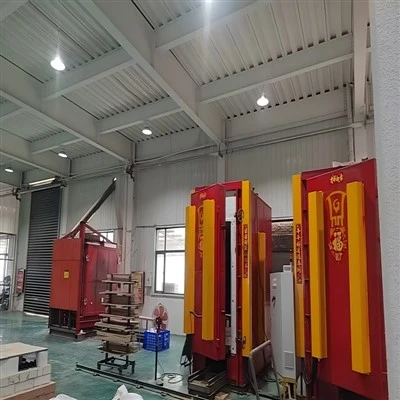
A lot of people outside the industry assume installing a tunnel kiln is just lifting parts and bolting them together. That couldn’t be further from the truth. Every step is tied to the kiln’s core function: heating products evenly along its length, controlling temperature and atmosphere to avoid defects, and moving materials consistently without wasting energy. Over the years, I’ve seen teams skip a small leveling step only to deal with a misaligned car (the trolley that carries products through the kiln) that grinds to a halt mid-bake, costing a factory weeks of production. I’ve also seen a rushed foundation pour crack under the weight of a preheated kiln, leading to costly repairs. So let’s walk through the installation process, the way we do it at our facility, and the lessons we’ve learned that make a world of difference for our clients.
The first, and most non-negotiable, step is pre-installation site assessment and preparation. You can’t just drop a 100+ foot long kiln in a random spot and call it a day. Before we even design the foundation, our team of senior engineers visits the client’s facility, and sometimes we work with them to site the kiln optimally. Why? Because a tunnel kiln’s operation creates significant heat loss, so it needs to be positioned away from other equipment that’s sensitive to temperature fluctuations. It also needs access to three critical utilities: high-capacity electricity (many industrial tunnel kilns run on 480V three-phase power), natural gas or propane for heating, and a dedicated exhaust system to pull out fumes or moisture from the heating process.
The site prep starts with soil testing, too. A kiln that processes heavy materials, like bricks or refractory components, can weigh up to 2,000 tons once it’s fully assembled and loaded with product. If the soil isn’t compacted properly, the foundation will settle unevenly, leading to misaligned internal rails and a host of operational issues. Last year, we worked with a small brick manufacturer in Ohio who tried to skip professional soil testing to save money. Six months after their kiln was installed, one end of the kiln had sunk 3 inches, and every trolley car that passed through required manual adjustments. We ended up having to rip out the existing foundation, stabilize the soil with stone and reinforced concrete, and re-install the entire kiln. It cost them more than double what they would have spent on proper site prep upfront. That’s why we never skip this step. Our team provides a detailed site assessment report that includes soil bearing capacity, utility line mapping (to avoid cutting into gas or electrical lines during construction), and even weather considerations for outdoor installations—like ensuring the site has proper drainage to prevent flooding during heavy rains.
Next comes the foundation pour, which is the backbone of the entire kiln system. The foundation isn’t just a slab of concrete; it’s a reinforced structure designed to support both the kiln’s dead weight and the dynamic loads from the moving trolley cars. We work with local concrete contractors to pour a thick, reinforced concrete slab that’s typically 12 to 18 inches deep, depending on the kiln’s size and intended use. For kilns that operate at high temperatures (above 2,300°F, common for ceramic and refractory manufacturing), we also add a layer of insulating concrete on top of the structural slab to minimize heat transfer to the surrounding ground. The most important part of the foundation pour is the embedded rail anchors. These are heavy-duty steel brackets that are set exactly 48 inches apart along the entire length of the kiln. We use laser levels to ensure these anchors are perfectly aligned and level—even a 1/8 inch difference over 100 feet can throw off the trolley’s movement. Once the concrete cures, we test the foundation’s levelness with a transit level, and we do a load test to confirm it can support 150% of the kiln’s maximum weight. This step takes about two to three weeks, depending on weather and concrete curing time.
With the foundation ready, we move to the assembly of the kiln’s core structural components. The first parts we install are the side frames and the top ceiling, which are pre-fabricated at our manufacturing facility to exact specifications. This is one of the biggest advantages of working with a reputable tunnel kiln supplier: all components are precision-cut in our controlled factory setting, so they fit together like puzzle pieces on-site, eliminating the need for on-site welding or heavy adjustments that can introduce errors. Each section of the kiln is lifted into place using a crane, and our on-site foreman, who has over 20 years of experience, uses laser alignment tools to make sure each section is perfectly straight and level. Once the structural sections are bolted together, we install the refractory lining. This is the most critical part of the kiln’s internal setup, because refractory material is what withstands high heat and keeps the kiln’s temperature consistent.
Refractory lining comes in two main types: dense refractory for areas that experience the highest temperatures (the firing zone, which is the middle section of the kiln) and insulating refractory for the preheat and cooling zones, which require less heat resistance but better energy efficiency. We don’t cut corners here—we work exclusively with high-grade refractory materials that have a low thermal conductivity, which means they keep heat inside the kiln and reduce energy costs. For a typical 150-foot tunnel kiln, the refractory lining weighs over 100 tons, and each brick or panel is mortared in place with high-temperature refractory cement. Our team follows a strict spacing pattern for the lining: we leave small expansion joints between refractory panels to allow for thermal expansion when the kiln is heated, which prevents the lining from cracking. I can’t tell you how many times I’ve had a client call us a year after installation with a cracked lining, only to find out the original installation team skipped the expansion joints. That small mistake leads to heat loss, uneven heating, and costly downtime for repairs. Once the lining is in place, we install the internal rails that the trolley cars will run on, and we test their alignment again to make sure they match the embedded anchors in the foundation.
Next, we integrate the kiln’s operating systems—this is where the kiln becomes a functional, controllable system instead of just a metal shell. The main systems we install are the heating system, the atmosphere control system, the trolley car drive system, and the automation control panel. The heating system usually runs on a combination of natural gas burners (for high-heat applications) and electric heating elements (for smaller, lower-temperature kilns). We install the burners along the side walls of the firing zone, and we position them to create a uniform temperature profile along the entire length of the kiln—hot spots or cold spots are the enemy of consistent product quality. For example, in a kiln that fires ceramic tiles, a 10°F difference across the tile can cause glaze defects, so precise burner placement is critical.
The atmosphere control system is another key component, especially for kilns that process materials that react with oxygen. For example, firing steel parts requires a controlled atmosphere to prevent oxidation, while ceramic glazes need a specific oxygen level to achieve the desired color. We install ductwork and fans that circulate air or inert gases (like nitrogen) through the kiln, and we add sensors along the length to monitor oxygen levels, carbon monoxide, and temperature. The trolley car drive system is what moves the product through the kiln at a slow, controlled pace—usually anywhere from 1 foot per hour to 10 feet per hour, depending on the product. We install a motorized chain drive system that moves the trolley cars, and we add safety features like emergency stop buttons and sensors that stop the drive if a trolley car becomes misaligned. The final piece of the operating system is the automation control panel. This is the “brain” of the kiln, which allows operators to set temperature profiles, adjust the speed of the trolley, monitor energy usage, and receive alerts if something goes wrong. We program the control panel to be user-friendly, even for operators who have little technical experience, and we connect it to the client’s existing factory management system if they want to integrate the kiln into their larger production workflow.
Once all the components are installed, the final step is commissioning, which is the process of testing the kiln under real operating conditions to make sure everything works as it should. This is a step we never rush, because it’s the only way to catch issues before the kiln goes into full production. The commissioning process takes about two weeks and involves three main phases: cold testing, heat testing, and production testing.
First, cold testing: we run the trolley drive system, the burners, the sensors, and the control panel without heating the kiln to make sure all parts work together. We check for any misaligned trolley cars, loose bolts, or sensor malfunctions. Once cold testing is complete, we move to heat testing, which is a slow, controlled heating of the kiln to 500°F, then 1,000°F, then up to the maximum operating temperature over three to five days. This slow heating is important because it allows the refractory lining to cure properly and expand evenly, preventing cracking. During heat testing, we monitor temperature and pressure levels at each zone of the kiln, adjusting burners and fans to create the uniform temperature profile the client needs. We also test the atmosphere control system during this phase, making sure that oxygen and gas levels stay consistent across the entire kiln.
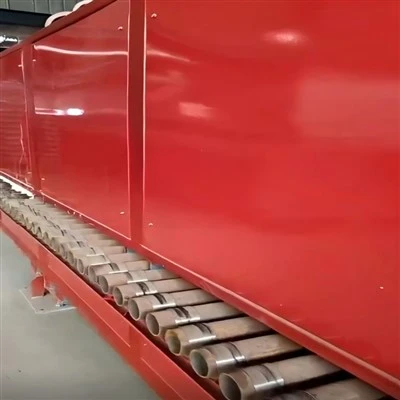
The final phase of commissioning is production testing, where we run actual product through the kiln to test for quality. We work with the client to use their regular product, so we can see first-hand if there are any defects related to temperature, speed, or atmosphere. If a batch of bricks comes out with uneven firing, we adjust the burner placement or the trolley speed until the problem is fixed. We also train the client’s operators during this phase, walking them through how to use the control panel, perform routine maintenance, and troubleshoot common issues. At the end of commissioning, we provide a detailed commissioning report that includes temperature data, operation parameters, and a maintenance schedule, along with 24/7 support for the first three months of operation.
Gas Fired Kiln Over the years, I’ve learned that the success of a tunnel kiln installation comes down to attention to detail at every step. We’ve built our reputation as a tunnel kiln supplier on not just selling quality kilns, but on guiding our clients through every phase of installation, from site assessment to commissioning. If you’re in the market for a tunnel kiln, whether for ceramic production, brick manufacturing, or refractory processing, we have the experience and expertise to customize an installation that fits your production needs. We offer competitive pricing, flexible timelines, and ongoing support long after the kiln is up and running. To discuss your project or get a detailed quote, feel free to reach out to our team for a consultation.
- Dyer, B. (2006). Industrial Kilns and Furnaces: Design, Operation, and Maintenance. Industrial Press Inc.
- Perera, S., & Zhang, L. (2019). Energy Efficiency in Tunnel Kilns for Ceramic Manufacturing. Journal of Industrial Heating Technology, 87(2), 412-420.
- American Society of Mechanical Engineers (ASME). (2021). Standard for Industrial Furnaces and Kilns. ASME International.
- Garcia, R. (2018). Foundation Design for High-Load Industrial Kilns. Construction Engineering Journal, 52(4), 112-127.
Henan Yaxin Kiln Co., Ltd.
Henan Yaxin Kiln Co., Ltd. is one of the most professional tunnel kiln manufacturers and suppliers in China. With abundant experience, we warmly welcome you to buy high quality tunnel kiln with the latest design from our factory. Good service and punctual delivery are available.
Address: Jixian Industrial Zone, Shangqiu City, Henan Province
E-mail: 1543563178@qq.com
WebSite: https://www.hnyxkiln.com/
