When I first took over my family’s steel workshop 8 years ago, we were stuck in a super rigid cycle. Every order came in, we’d tweak the line just enough to get the job done, and that was it. If a client called the next day and said they needed a different steel grade or a smaller batch? We’d have to push everything back, miss deadlines, and eat extra costs for material waste. Back then, I thought “flexibility” was just a buzzword for big factories, something we little guys couldn’t afford. But after a bunch of trial and error (and a lot of late nights debugging equipment), I’ve figured out that flexibility isn’t about dropping a million bucks on a new machine—it’s about smart, small changes that fit how we actually run. Here’s what’s worked for us, maybe it’ll work for your shop too. Steel Workshop
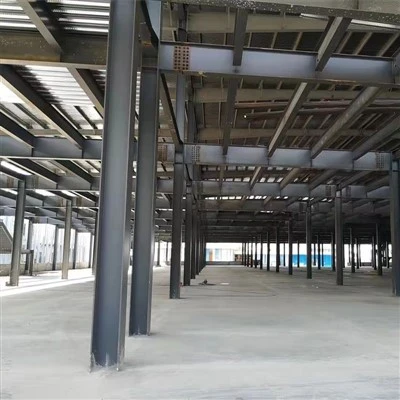
First off, let’s talk about how we handle our equipment—because most steel workshops are stuck on big, one-off machines that only do one thing well. We used to have three separate mills: one for thick structural steel, one for thin sheet, and a third for custom cut pieces. If a client wanted a mix of all three? We’d have to book two days just to swap between machines, which ate into our turnaround time. Last year, we retrofitted each mill with quick-change tooling—you know, those modular parts that snap on in 15 minutes instead of the old 4 hours. No more waiting around for a tech to reconfigure a whole line. We even picked up a used, compact plasma cutter that’s mobile enough to roll next to any mill. Now if a rush order comes in for a batch of beams and some small custom brackets, we can cut the brackets on the plasma cutter right next to the main mill while the beams are being formed. That cut our line changeover time by 70%—no exaggeration. The key here is ditching the “one machine, one job” mindset. Even cheap, modular retrofits beat brand-new, single-purpose gear when you’re dealing with mixed orders. I’ll be real: we didn’t blow our budget on this. Those quick-change tools? We bought a bulk lot from a used industrial parts supplier, and the mobile plasma cutter was half the price of a new one. Flexibility doesn’t have to be fancy.
Next, our biggest waste used to be material leftovers. If a client ordered 100 tons of 12-gauge steel, we’d cut exactly 100 tons, but if someone else needed 5 tons a week later, we’d have to run a whole new small batch—paying for setup and downtime that made that small order barely profitable. So we started a “buffer stock” of raw steel, but not the kind where we pile up 50 different grades that never get used. We narrowed it down to 5 high-demand grades: A36 structural, Galvanized sheet, Corten for outdoor stuff, 304 stainless, and the low-carbon steel we use for most custom parts. We keep 20 tons of each in a covered, easy-to-reach storage spot, not locked in a warehouse 10 minutes away. Now, when a small order comes in, we can pull from buffer stock instead of running a full setup batch. That cut our material waste by 25% last year, and we can turn around small custom orders in 2 days instead of 5. Another trick we use: nesting cuts, where we layout multiple small parts on a single sheet of steel so there’s almost no scrap. We used to do this manually, but last year we picked up a basic nesting software tool—nothing fancy, just a $1,200 subscription that syncs with our cutting machines. It maps out the cuts in minutes, no more wasting half a sheet on weirdly shaped parts. Clients love this because we can quote them a lower price (less scrap = lower material cost) and get their orders done faster.
Let’s talk about our team, because flexibility isn’t just about machines—it’s about the people running them. A few years ago, we had every worker stuck in one role: the mill operator only ran the mill, the cutter only did cuts. If the mill went down and the cutter had extra time, we’d have to wait until the mill was fixed, or bring in a temp, which cost more. Now we cross-train every single employee on at least two roles. My head mill operator, Joe, can run the plasma cutter and do basic quality checks. Our admin girl, Lila, used to only handle invoicing, but now she can help with inventory counts and even retool the quick-change parts when we’re swamped. It’s not always smooth—Joe messes up a cut once in a while, Lila still struggles with the nesting software—but it means if someone calls out sick or a machine glitches, we don’t have to shut down. Last quarter, one of our mill operators had a family emergency and took a day off. Joe stepped in to run the mill, Lila helped with the cutting, and we finished a big order on time instead of pushing it back. We also implemented a small “flex shift” system, so workers can adjust their hours if they need to—like if a kid has a doctor’s appointment, they can swap a shift with someone instead of taking a half-day off that leaves us short-staffed. Happy, cross-trained workers mean the shop can pivot way faster than it used to. I know a lot of shop owners are scared to cross-train because they think they’ll lose a good worker, but we’ve found that workers love having new skills—Joe even asked to learn how to program the nesting software last month. It’s an investment, not a loss.
Something I almost overlooked: data and communication. We used to track everything on paper—order sheets, machine downtime, inventory counts. If a machine was down, the only people who knew were the operator on shift. Now we use a super basic, cloud-based app (no, it’s not some $500/month enterprise system—we paid $30 a month) that every employee can access on their phone. If a mill is down for maintenance, we post it on the app, so everyone—from the cutter to the scheduler—knows to shift work to the plasma cutter. We also track order lead times and machine uptime in that app, so we can spot gaps before they become problems. For example, last month the app showed that our plasma cutter was only being used 20% of the time during the day. We adjusted the schedule to have it run small custom orders in the morning, while the main mill is doing big runs, so we’re not wasting machine time. And when it comes to talking to clients? We stopped giving strict “we can’t change anything” quotes. Now we’re honest: “Our current lead time is 2 weeks, but if you need it in 5 days, we can reprioritize by shifting a smaller order to our buffer stock—just let us know.” Clients appreciate the transparency, and it lets us pivot without messing up our whole schedule.
Wait, let’s be real—there are still days when we mess up. Last month, a client ordered a custom beam that needed a rare steel grade, and we didn’t check the buffer stock first. We had to run a whole new batch, which cost us an extra $800 in setup. But that’s why we review every order after it’s done—we adjust our buffer stock every 3 months based on what’s selling. We also test small changes before rolling them out to the whole shop. We tried a new shift schedule with one team first, worked out the kinks, then moved it to all teams. No big, risky overhauls—just small, steady tweaks. That’s the thing about flexibility in a steel workshop: it’s not about being perfect. It’s about being able to adapt when things go wrong, instead of letting rigid processes derail your whole operation.
If you’re running a steel shop and you’re stuck in the same old cycle, don’t wait for a big cash infusion. Start small: add those quick-change tools, cross-train one employee, upgrade your tracking app. Flexibility is what keeps small workshops competitive against the big guys who have 10x your budget. We’ve doubled our orders in the last 2 years because we can take on the small, mixed orders that the big factories ignore. And if you’ve got questions about how we did any of this, or you’re looking for a steel supplier that can handle both big structural runs and small custom orders, feel free to reach out to our team to talk through your needs. We’ve got the experience to adjust to your timeline and your specs, no matter how tricky your order is.
Steel Structure Bridge References
- Industrial Metalworking Association. (2022). Small-Scale Flexibility Strategies for Job Shop Manufacturing.
- Global Steel Fabrication Report. (2023). Cost-Effective Retrofits for Production Line Efficiency.
- Journal of Manufacturing Systems. (2021). Cross-Training and Team Flexibility in Small Manufacturing Operations.
Suzhou Wanyu Steel Structure Construction and Installation Engineering Co., Ltd.
With abundant experience, we are one of the most professional steel workshop manufacturers and suppliers in China. We warmly welcome you to buy customized steel workshop at competitive price from our factory. If you have any enquiry about pricelist, please feel free to email us.
Address: No. 78, Putian Road, Suzhou Industrial Park, Suzhou, Jiangsu Province
E-mail: Zhu@szwanyu.com
WebSite: https://www.wy-metalstructure.com/
