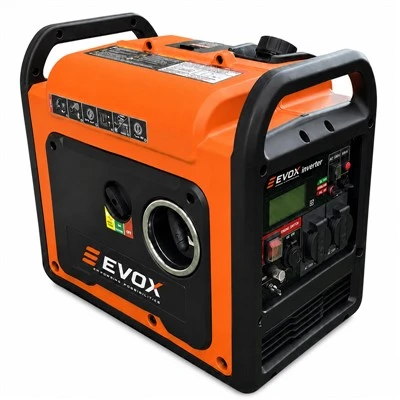
Power output is a critical metric when evaluating engines, influencing everything from the efficiency of a vehicle to the productivity of industrial machinery. As an engine supplier, understanding and conveying this concept clearly to our customers is fundamental. In this blog post, I’ll delve into the power output of engines, exploring what it is, how it’s measured, factors that affect it, and why it matters in various applications. Engine
What is Engine Power Output?
At its core, engine power output refers to the rate at which an engine can do work. In simpler terms, it’s a measurement of how much energy an engine can convert into useful mechanical work over a given period. This work can manifest in different ways, such as propelling a vehicle forward, driving a generator to produce electricity, or operating heavy – duty machinery.
The standard unit of power in the International System of Units (SI) is the watt (W). However, in the context of engines, especially in the automotive and industrial sectors, horsepower (hp) is a more commonly used unit. One horsepower is equivalent to approximately 745.7 watts. Historically, the concept of horsepower was developed by James Watt to compare the power of steam engines to the work done by draft horses.
How is Engine Power Output Measured?
There are several methods for measuring engine power output, but the most common ones involve the use of a dynamometer. A dynamometer is a device that applies a load to the engine and measures the torque and rotational speed of the engine’s output shaft.
Torque and Rotational Speed
Torque is the rotational force produced by the engine, measured in Newton – meters (N·m) in the SI system. Rotational speed, on the other hand, is typically measured in revolutions per minute (RPM). The relationship between torque, rotational speed, and power output is given by the following formula:
[P=\frac{T\times\omega}{1000}]
Where (P) is the power in kilowatts (kW), (T) is the torque in Newton – meters (N·m), and (\omega) is the angular velocity in radians per second. To convert from revolutions per minute (RPM) to radians per second, we use the conversion factor (\omega=\frac{2\pi\times RPM}{60})
In practical terms, a dynamometer measures the torque at different RPMs, and then using the above formula, the power output can be calculated. This process is often carried out in a controlled environment, such as an engine testing facility, to ensure accurate and consistent results.
Factors Affecting Engine Power Output
Engine Design
The design of an engine plays a crucial role in determining its power output. Several design elements can have a significant impact:
- Cylinder Configuration: Engines can have different cylinder configurations, such as inline, V – shaped, or flat. In general, engines with more cylinders tend to produce more power, as they can burn more fuel – air mixture per cycle. For example, a V8 engine typically produces more power than an inline – 4 engine.
- Displacement: Engine displacement refers to the total volume swept by all the pistons inside the cylinders in one complete engine cycle. A larger displacement engine can intake and burn more fuel – air mixture, resulting in higher power output. However, larger displacement engines also tend to consume more fuel.
- Compression Ratio: The compression ratio is the ratio of the volume of the combustion chamber when the piston is at the bottom of its stroke to the volume when the piston is at the top of its stroke. A higher compression ratio allows for more efficient combustion of the fuel – air mixture, which can increase power output. However, too high a compression ratio can lead to engine knocking, which is detrimental to engine performance.
Fuel and Air Supply
- Fuel Quality: The quality of the fuel used in an engine can significantly affect its power output. High – octane fuels can withstand higher compression ratios without knocking, allowing engines to operate more efficiently and produce more power.
- Air Intake: Adequate air intake is essential for proper combustion. Engines with better air intake systems can supply more oxygen to the combustion chamber, enabling more complete combustion of the fuel and increasing power output. This is why many high – performance engines are equipped with turbochargers or superchargers, which force more air into the engine.
Environmental Conditions
- Temperature: Engine performance is affected by temperature. Cold air is denser than warm air, which means that in colder conditions, the engine can intake more oxygen for the same volume of air. This can lead to increased power output. Conversely, in hot weather, engine power may be reduced.
- Altitude: At higher altitudes, the air is less dense. This reduces the amount of oxygen available for combustion, which in turn can decrease engine power output. Vehicles and machinery operating at high altitudes may require engine modifications or adjustments to maintain optimal performance.
Importance of Engine Power Output in Different Applications
Automotive Industry
In the automotive industry, engine power output is a key factor in determining a vehicle’s performance. A higher – powered engine generally means faster acceleration and a higher top speed. Sports cars, for example, are designed with high – power engines to provide exhilarating driving experiences. On the other hand, fuel – efficient vehicles may have lower – power engines, which are optimized for better mileage.
Industrial Machinery
In the industrial sector, engines are used to power a wide range of machinery, such as generators, pumps, and construction equipment. The power output of the engine determines the capacity and efficiency of the machinery. For example, a large generator requires a high – power engine to produce enough electricity to meet the demands of a factory or a construction site.
Marine Applications
In the marine industry, engine power output is crucial for the speed and maneuverability of boats and ships. Larger vessels, such as cargo ships and cruise liners, require extremely high – power engines to propel them through the water. Even small recreational boats need engines with appropriate power outputs to ensure safe and efficient operation.
Why Choose Our Engine Supplier?
As an established engine supplier, we understand the importance of power output and its implications in various applications. Our team of experienced engineers is dedicated to designing and manufacturing engines that deliver optimal power output while maintaining high levels of reliability and fuel efficiency.
We use the latest technologies and materials in our engine production process. Our engines are equipped with advanced fuel injection systems, high – efficiency air intake systems, and optimized combustion chambers to ensure maximum power output. We also conduct rigorous testing on all our engines to ensure that they meet or exceed industry standards.
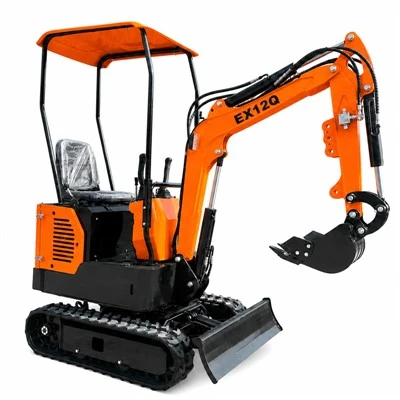
Whether you are in the automotive, industrial, or marine sector, we have a wide range of engines to meet your specific power requirements. Our engines can be customized to fit your application, allowing you to get the most out of your equipment.
Generator If you are looking for an engine with the right power output for your project, we encourage you to get in touch with us. Our sales team is ready to discuss your needs in detail and provide you with the best engine solutions. Contact us today to start the procurement process and take your operations to the next level.
References
- Heywood, J. B. (1988). Internal Combustion Engine Fundamentals. McGraw – Hill.
- Taylor, C. F. (1966). The Internal Combustion Engine in Theory and Practice, Volume I: Thermodynamics, Fluid Flow, Performance. MIT Press.
Evoxpower Technology
Evoxpower Technology is one of the most professional engine manufacturers and suppliers in China, featured by quality products and good service. Please rest assured to buy the newest engine in stock here and get pricelist from our factory. Contact us for customized service and OEM service.
Address: 11 Fortune Avenue, Yubei District, Chongqing, China
E-mail: stephen@allrightpower.com
WebSite: https://www.evoxpower.com/
