Hey there! I’m a supplier of rubber parts, and you bet there are safety regulations for rubber parts. In this blog, I’ll break down why these regulations matter and how they impact our business. Rubber Parts
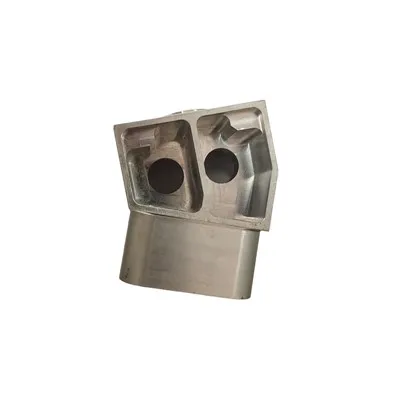
First off, let’s talk about why safety regulations are a big deal. Rubber parts are used in all sorts of industries – automotive, aerospace, medical, you name it. In the automotive world, rubber seals and gaskets keep fluids in place and prevent leaks that could lead to engine problems or even accidents. In the medical field, rubber components are used in devices like syringes and catheters. If these parts don’t meet safety standards, it could put patients’ health at risk.
One of the key aspects of safety regulations for rubber parts is the materials used. The rubber itself needs to be made from safe and approved substances. For example, in the medical industry, the rubber must be non – toxic and biocompatible. This means it won’t cause an adverse reaction when it comes in contact with the human body. In the automotive sector, rubber parts need to be resistant to heat, chemicals, and wear and tear. If the rubber is made from low – quality or inappropriate materials, it can fail prematurely, leading to safety hazards.
There are also regulations regarding the manufacturing process. The production of rubber parts has to be carried out in a clean and controlled environment. This is to prevent contamination that could affect the quality and safety of the parts. For instance, in medical device manufacturing, strict cleanliness standards must be maintained. Any dust, bacteria, or other contaminants on the rubber parts could cause infections or other health issues.
Another important area is testing. Before rubber parts can be sold, they need to undergo various tests to ensure they meet safety standards. Tensile strength tests are used to determine how much stress the rubber can withstand before breaking. This is crucial, especially for parts that are under constant pressure, like rubber hoses in industrial machinery. Chemical resistance tests are also conducted to make sure the rubber can handle exposure to different chemicals without degrading.
In the automotive industry, rubber parts also have to meet specific performance standards. For example, tire treads, which are made of rubber, need to provide good traction on the road. This is regulated to reduce the risk of skidding and accidents. The sidewalls of the tires also need to be strong enough to support the weight of the vehicle.
In the aerospace industry, rubber parts face even more stringent regulations. Since the safety of passengers and crew depends on the proper functioning of aircraft components, rubber parts used in planes must be able to withstand extreme conditions. They need to be resistant to high temperatures, low – pressure environments, and various fuels and lubricants. Any failure of a rubber part in an aircraft could have catastrophic consequences.
Now, as a rubber parts supplier, I’ve got to make sure all our products comply with these safety regulations. We source the best raw materials from reliable suppliers. We’ve got a state – of – the – art manufacturing facility where we can control every step of the production process. And we’ve got a dedicated quality control team that conducts all the necessary tests.
Compliance with safety regulations also gives us a competitive edge in the market. Customers are more likely to choose our rubber parts because they know we take safety seriously. It builds trust between us and our clients. And let’s face it, in industries where safety is paramount, no one wants to cut corners.
But it’s not all roses. Complying with safety regulations can be a real pain in the neck sometimes. It costs a lot of money to source high – quality materials and conduct all the tests. And the regulatory requirements are always changing. We’ve got to stay on top of the latest updates, which means we have to invest time in research and development.
However, in the long run, it’s definitely worth it. The safety of the end – users of our rubber parts is our top priority. And by following the regulations, we’re not only protecting them but also our own business. If we were to sell non – compliant parts, we could face hefty fines, lawsuits, and damage to our reputation.
So, if you’re in the market for rubber parts, whether it’s for automotive, medical, aerospace, or any other industry, make sure you choose a supplier who takes safety regulations seriously. That’s where we come in. We’ve got a wide range of rubber parts to meet your needs, all manufactured to the highest safety standards.
If you’re interested in exploring our product range or have any questions about our rubber parts, feel free to reach out. We’re always happy to have a chat and discuss how we can help with your procurement needs. Whether it’s a small – scale project or a large – scale industrial order, we’ve got the expertise and the products to get the job done right.
Let’s start a conversation and see how we can work together to ensure you get the best and safest rubber parts for your business.
Mechanical Processing Components References
- "Automotive Rubber Components: Design, Manufacturing, and Applications"
- "Medical Device Rubber Materials: Properties and Regulations"
- "Aerospace Rubber Seals and Their Performance Standards"
Jiangxi Zhiyi Machinery Manufacturing Co., Ltd.
As one of the most professional rubber parts manufacturers and suppliers in China, we also support customized service. Please rest assured to wholesale bulk rubber parts in stock here from our factory. If you have any enquiry about quotation, please feel free to email us.
Address: Jiahai Industrial Park, No. 2799 Tianxiang Avenue, High-tech Zone, Nanchang City, Jiangxi Province.
E-mail: zgjxzy@163.com
WebSite: https://www.chinazhiyi.com/
