Hey there, Material Storage and Automatic Loading/Unloading System
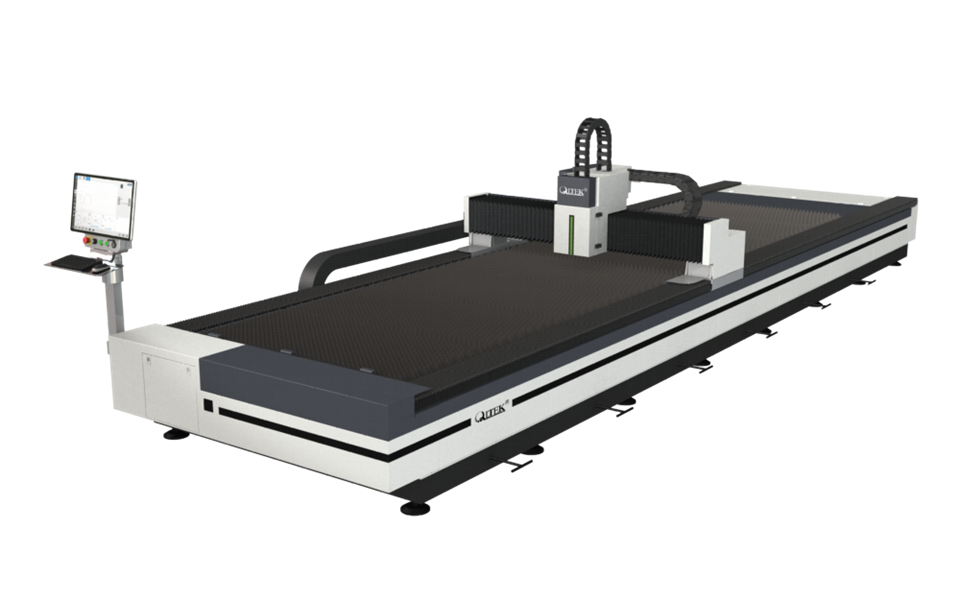
Let’s cut to the chase – if you’ve got high-value materials floating around your facility, you’ve probably asked yourself this exact question: “Is my current storage and loading/unloading setup actually protecting that stuff, or is it just one more thing that could mess it up (and my budget)?” As someone who’s spent the last 8 years building and refining these systems (yep, I’m the guy from that Material Storage and Automatic Loading/Unloading System supplier you might’ve seen at trade shows), I get it. High-value materials aren’t just “stuff” – they’re probably the heart of your operation. Whether it’s aerospace-grade titanium, precision semiconductor wafers, fine art shipping crates, or even high-end pharmaceutical raw materials that expire if mishandled, one wrong move (a missed temperature reading, a human error during loading, a misplaced storage bin) can cost you tens of thousands of dollars in minutes. So can our automated system (or any similar setup, really) actually handle that? Let’s break it down like I would over a coffee at your warehouse.
First off, let’s stop with the myth that “automated = rigid or careless.” Early on, when we first started designing these systems back in 2016, every client would ask, “Is this gonna be too rough for my $50k batch of specialized alloy?” And honestly, that was our first big wake-up call. We’d built systems that worked great for generic pallets of parts, but high-value materials needed more than just a robot arm that picks stuff up. They needed custom-tailored checks. Let’s talk about the non-negotiables for high-value goods: security, precision, traceability, and environmental control. Our system hits every single one of these, no exceptions.
Security is the big one first. If you’ve got high-value materials, you don’t want just anyone walking into the storage area and grabbing a bin. Our setup uses RFID-enabled access controls tied to individual user profiles. So, only the senior logistics lead can retrieve a batch of aerospace titanium, and every time that bin is moved, it logs to a cloud-based dashboard. No more “where did that batch go?” panic, no more internal theft that takes weeks to track down. We even added biometric scanners as an optional upgrade last year – super simple, no fumbling with keycards that get lost, and it’s way more secure than manual lock-and-key. I remember a client in the defense industry testing this early on; they were dealing with high-grade aluminum for military drones, and before our system, they had 3 instances of unauthorized access in one quarter. After we installed it? Zero. That’s not luck – that’s built specifically for high-value, tightly regulated materials.
Next, precision. Let’s be real – when you’re loading/unloading a $20k semiconductor wafer box, you can’t have a robot arm that’s off by even a millimeter. Human workers are great, but when you’re loading 100+ bins a day, fatigue sets in. One slip with a fork truck, and that $100k wafer batch is toast (wait, no, that’s not an overstatement – those wafers are thin as a credit card, and even a tiny dust particle or impact can ruin them). Our system uses linear actuators and camera-based guidance that are accurate to 0.2 millimeters. No more human error from misaligning a bin, no more over-tightening straps during loading that scratch a high-end painting crate. We actually had a semiconductor lab client last year switch from manual loading because they were losing ~8 batches a year to mishandling. After our system went in? Zero lost batches, and their loading time per batch dropped by 40%. That’s not just convenient – that’s money saved直接 from protecting high-value inventory.
Wait, what about storage specifically? High-value materials often have very specific storage requirements too. For example, the pharmaceutical materials we handle for biotech clients need consistent temperature and humidity – one swing of 2 degrees, and that $100k batch of monoclonal antibodies is useless. Our storage modules have built-in environmental sensors that update every 15 seconds. If temperature gets even a little off, the system automatically locks that bin (so no one can access it until it’s fixed) and sends a real-time alert to your phone. No more doing daily temperature checks manually, no more finding out days later that a storage unit was broken and ruined a batch. Another client I worked with sells custom high-end wine for restaurants – their wine cellars use our system, and since installing it, they’ve had zero spoilage from temperature fluctuations that used to happen when a human forgot to adjust a vent. That’s high-value stuff too – a single case of their vintage pinot noir sells for $12k, so even one spoiled case hurts.
Now, let’s address the elephant in the room: what about the upfront cost? I know, I know, you’re thinking “this sounds great, but is it worth it for my high-value materials?” Let’s do the quick math here. The average client we work with has an annual loss of 3-5% of their high-value inventory from mishandling, storage errors, or theft. If your annual spend on high-value materials is $500k, that’s $15k to $25k a year you’re throwing away before even counting labor costs. Our system pays for itself in 18-24 months for most clients, and after that, it’s pure savings. Plus, think about audit trails – if you’re in an industry that needs FDA or ISO compliance (which most high-value industries like pharma, aerospace, or art shipping do), our system logs every single move, every access, every temperature reading. No more digging through paper records to prove you handled materials correctly during an audit. That’s a huge win – one failed ISO audit can cost a company millions in fines or lost contracts.
But wait, is this system adaptable for different types of high-value materials? We get that – one client might have irregularly shaped high-end art crates, another has cylindrical metal ingots, another has flat semiconductor boxes. We don’t do one-size-fits-all. The robot arms are interchangeable – you can swap out a gripper for a custom suction cup for flat glass, or a clamp for cylindrical ingots, or even a soft-tipped gripper for fragile ceramic parts. And the storage bins can be customized too – we’ve got climate-controlled bins, explosion-proof bins for volatile high-value chemicals, even shock-absorbent bins for things like vintage musical instruments. Last year we did a project for a rare string instrument dealer, storing their Stradivarius copies and vintage violins – they needed humidity controlled to 45% +/- 2, so we built custom storage modules just for their needs. That’s not standard, but it’s what high-value materials need – flexibility, not a cookie-cutter setup.
I’ve heard the counterarguments too. Some folks say, “Automated systems are prone to breakdowns, and if that happens, my high-value materials are stuck.” Fair point – that’s why we build our systems with redundant components. Every critical part has a backup, and our 24/7 support team is on call 365 days a year. If something does go wrong, we can usually troubleshoot remotely in under an hour, and if it’s a part that needs replacing, we ship it out same-day. We had a client in Texas last winter where a snowstorm took out power for a few hours – our system has a backup generator, so storage and loading kept going, and they didn’t lose a single batch of their high-value specialty chemicals. If they’d had a manual setup, those materials would’ve been ruined by the cold. That’s peace of mind right there.
Another thing: people think automated systems eliminate jobs. That’s not true, not for high-value operations. Our clients don’t lay off their warehouse staff – they retrain them to handle the system, manage the dashboards, and do the maintenance. Those jobs become higher-skilled, higher-paying, and less prone to the fatigue-related errors that get people hurt and products damaged. A few clients have even told us their staff prefers working with the automated system because it’s less repetitive, more interesting, and they don’t have to worry about dropping a bin of expensive parts and facing the consequences.
So let’s circle back to the original question: Can the Material Storage and Automatic Loading/Unloading System be used for high-value materials? The short answer is yes – but only if it’s built for high-value materials, not generic stuff. The days of these systems being for mass-produced pallets are long gone. We’ve worked with over 70 clients in the last 5 years across pharma, aerospace, semiconductor, art logistics, and specialty manufacturing, and every single one has seen a return on their investment within two years, plus a big drop in lost inventory, fewer compliance headaches, and less stress from managing high-value goods.
If you’re reading this and you’re sitting on a pile of high-value materials that you’re worried about – whether you’re dealing with storage errors, loading mishandling, compliance audits, or just spending too much on manual labor that leads to mistakes – let’s chat. We don’t do pushy sales pitches. We’ll come out to your facility, look at your specific materials, and walk you through exactly how our system would work for you, no jargon, no hidden fees. No matter what type of high-value stuff you’re working with, we can tailor a setup that fits. Don’t let hard-earned money go to waste because of a human error or a storage misstep. Reach out to us to connect for a consultation and learn more about how we can protect your high-value materials.
Laser Welding Machine References
- International Society of Automation. (2021). Automated Material Handling for High-Value Industrial Goods: Safety, Precision, and Compliance Standards.
- Material Handling Industry of America. (2022). ROI Analysis of Automated Storage and Retrieval Systems (AS/RS) for High-Value Inventory.
- U.S. Food and Drug Administration. (2020). Guideline for Automated Systems in Pharmaceutical Supply Chain Storage and Distribution.
- Aerospace Industries Association. (2021). Best Practices for Handling and Storing High-Value Aerospace Components.
Suzhou Quick Laser Technology Co., Ltd.
Suzhou Quick Laser Technology Co., Ltd. is one of the most professional material storage and automatic loading/unloading system manufacturers and suppliers in China, featured by quality products and good price. Please feel free to buy durable material storage and automatic loading/unloading system for sale here from our factory. For more information, contact us now.
Address: No. 6, Qingqiu Street, Industrial Park, Suzhou, Jiangsu Province, China
E-mail: info@qlteklaser.com
WebSite: https://www.qlteklaser.com/
